
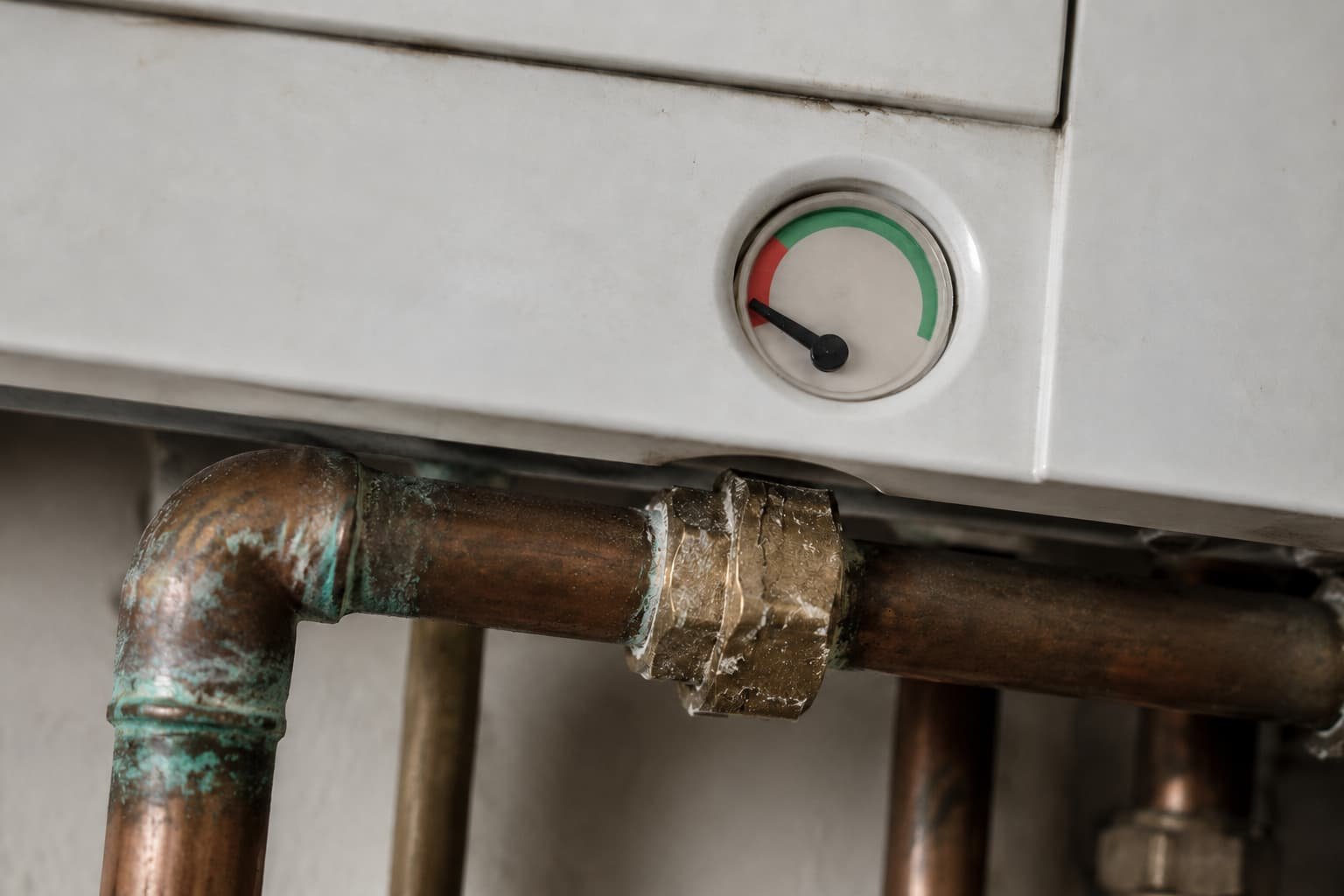
HMO gas safety obligations go further in Southampton than in most of the country, and further than a lot of landlords here realise. The gas duties themselves are national and apply to every shared house with a gas supply. What is different in this city is that a current certificate is also part of the paperwork that keeps a letting licensed, in nine wards covering the bulk of the shared housing stock. This guide sets out both, and what happens when a date slips.
What Counts as an HMO
In planning terms a C4 house in multiple occupation is a property where three to six unrelated people share amenities such as a kitchen or bathroom. Above six occupants a property falls outside that class and is treated as sui generis. Southampton adopted a citywide Article 4 direction in March 2012, which means planning permission is required for new HMOs anywhere in the city rather than the change happening under permitted development.
Licensing is a separate regime from planning, and this is where landlords most often trip up. Mandatory licensing applies across the country to larger HMOs of five or more occupants from two or more households. Additional licensing is a local scheme that catches smaller ones.
Southampton’s Additional Licensing Scheme
Southampton City Council’s current additional scheme runs from 1 October 2025 to 30 September 2030. It requires licensing of smaller HMOs of three or four occupants, and of HMOs within purpose-built accommodation blocks, in nine wards: Banister and Polygon, Bargate, Bassett, Bevois, Freemantle, Millbrook, Portswood, Shirley and Swaythling.
Those wards cover the great majority of the city’s shared housing, including the streets around the Highfield campus where the student market is concentrated. Landlords were given three months from the start of the scheme to apply, with a higher fee and possible enforcement action after that.
The relevant point for HMO gas safety is what an application asks for. Alongside floor plans and the electrical installation condition report, the council requires a satisfactory gas safety record dated within twelve months of the application. Outside these wards a lapsed certificate is a safety failure. Inside them it is also a licensing failure, and the council designated the scheme precisely because it intends to inspect.
The HMO Gas Safety Duties Themselves
These come from the Gas Safety (Installation and Use) Regulations 1998 and apply to every let property with gas, licensable or not.
- Every gas appliance and flue you provide must be checked for safety every twelve months
- The check must be carried out by a Gas Safe registered engineer
- The record must be given to existing tenants within 28 days of the check
- New tenants must receive it before they move in
- Records must be kept for at least two years
- Maintenance of the appliances and pipework you provide is a continuing duty, not an annual one
Separately, the HMO management regulations require the manager of an HMO to produce the current gas safety record to the local authority on request. That applies to all HMOs, not only licensable ones, so a small shared house outside the nine wards is still expected to have the paperwork available. Guidance on landlords’ gas duties is published by the Health and Safety Executive, and the licensing designation itself by Southampton City Council.
A Gas Safety Record Is Not a Service
This is the most expensive misunderstanding in HMO gas safety, and it runs in both directions.
The annual check, still universally called a CP12, is an inspection. It confirms the appliances and flues are safe on the day. It does not clean the boiler, does not replace worn components, and does not satisfy a manufacturer warranty.
A service is maintenance. The appliance is opened, cleaned, combustion is measured against manufacturer figures and worn parts are identified before they fail. It is not legally required, but almost every warranty is conditional on it.
Buy only the certificate and you have a compliant, unmaintained boiler with a warranty that may already be void. Buy only the service and you are legally exposed. Booked on the same visit the two cost less than two separate attendances, which is how most portfolios should run.
Why the Stakes Rose in May 2026
Since 1 May 2026 the possession regime in England has changed. Section 21 no-fault notices no longer exist, and possession runs through Section 8 grounds instead. Gas safety remains directly relevant: a court can refuse a possession order where a landlord cannot demonstrate the gas safety duty was met, including that the tenant actually received the record.
New assured periodic tenancies entered into on or after that date also require a written statement of terms given to the tenant before the tenancy begins, and where the property has gas fittings that statement must set out the landlord’s obligations under the gas regulations. Getting this wrong carries a financial penalty on top of everything else.
The practical effect is that record-keeping now matters as much as the check. Being able to show when the certificate was issued and when the tenant received it is what protects a possession claim months later.
Practical HMO Gas Safety Management
Count the appliances, not the properties. A six-bedroom shared house may hold a boiler, a second boiler serving a converted top floor and a gas hob in a communal kitchen. All three are within the duty. Landlords buying an HMO from another investor routinely inherit an appliance nobody mentioned.
Use the void window. The student calendar here empties houses across July and August. Access in an occupied six-bed with six separate schedules is the single biggest cause of a check running late. Anything intrusive belongs in the void, and the annual check is easiest there too.
Renew early to hold the date. A check carried out in the two months before expiry keeps the existing anniversary date. Left to drift, certificates across a portfolio gradually bunch into the same month, usually the wrong one.
Carbon monoxide alarms. An alarm is required in every room used as living accommodation that contains a fixed combustion appliance. In a shared house that means alarms need checking room by room, and they must be kept in working order through the tenancy rather than simply installed at the start.
Keep licence and certificate dates in one place. The licence runs on its own cycle and the certificate on another. Tracking them separately is how a renewal application arrives at the council with an expired record attached.
What HMO Gas Safety Costs in Southampton
- Landlord gas safety record, single appliance — £75 to £110
- HMO check with multiple appliances — £120 to £190
- Service and certificate booked together — £140 to £190
- Portfolio work — priced per visit
Prices well below that range usually turn out to be a single-appliance price applied to a property with three. Confirm what is being checked before booking.
Getting It Handled
We carry out gas safety checks, servicing and installation across the city’s shared housing, and issue certificates the same day in a format that goes straight into a licence application. See boiler servicing and landlord CP12 for the detail, boiler installation in Portswood for how we plan work around the student calendar, and boiler repair when something has already failed.
Send us the addresses, the appliance count and the current expiry dates, and we will schedule the round into one visit per property. Handled as a standing arrangement, HMO gas safety stops being a scramble every August and becomes a diary entry.